Migration is the word no one wants to hear after lip injections. It conjures images of blurred borders, filler creeping toward the philtrum, and top lips that look “puffy” rather than shaped. I’ve treated and advised hundreds of patients on lip augmentation, from first time lip filler to complex lip filler migration correction, and the same truths keep surfacing. Migration is preventable most of the time, recognizable when you know what to look for, and fixable when handled methodically.
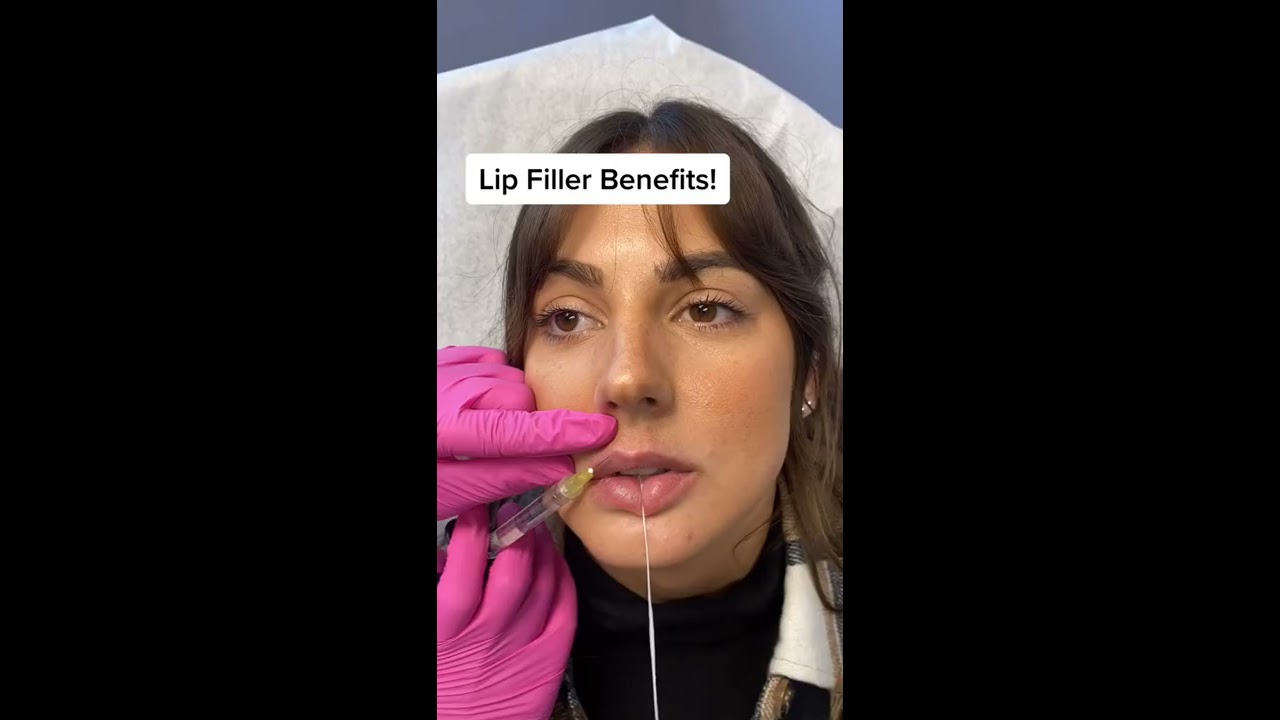
This guide explains what lip filler migration is, why it happens, how to prevent it, and the safest ways to address it if it does occur. You’ll find practical details on product choice, technique, aftercare, and timelines that match what happens in real clinics, not just theory.
What migration actually is
In the simplest terms, migration is filler moving outside the intended lip tissue planes and sitting where it should not, usually above the vermillion border into the cutaneous lip or toward the corners. It shows up as a faint moustache-like fullness, smudged definition, or a heavy top lip without a crisp Cupid’s bow. You may hear it described as “lip filler gone wrong,” but that phrase is too blunt. Sometimes everything was done reasonably well, yet repeated small choices stacked up in a way that pushed outcome risk higher.
True migration is different from swelling. During the lip filler healing process, the first 24 to 72 hours often include notable swelling and sometimes bruising. Swelling can look like migration if you judge too early. The lip filler swelling stages typically run hot and puffy on day one, patchy on day two and three, then steadily calmer by day five. Hyaluronic acid based fillers also draw water, so hydration and sodium intake can matter. If the shape looks off at day two, you may still be seeing edema. Real migration persists well beyond the initial recovery window, often becoming more obvious as swelling subsides and the misplaced filler remains.
Why some lips migrate and others don’t
Migration isn’t the result of a single variable. It’s usually a convergence of product behavior, injection depth, anatomy, and mechanical forces.
Anatomy sets the stage. Thin lips have less real estate for volume and a shorter white-to-red lip ratio, so any overfilling instantly crowds the border. A flat philtrum, weak vermillion border, or fine vertical lines from smoking can make the filler’s barrier less defined. With mature lips, collagen and elastin are reduced, the lip envelope is softer, and the orbicularis oris muscle can push product outward with repeated motion. For men, stronger perioral muscles and thicker skin alter how filler spreads. None of these profiles are disqualifiers, they just demand stricter dosing and placement.
Product behavior matters just as much. Hyaluronic acid fillers differ in cohesivity, elasticity, and how they integrate with tissue. Hydrating lip filler designed to spread smoothly is lovely for vertical lines, but can be too mobile for a crisp border. A firmer gel can build structure, yet if placed too superficially it can show or migrate. Temporary lip filler is almost always preferable to permanent lip filler for the lips. Permanent products, including older silicone injections or implants, have a higher risk of visible irregularities and are difficult to fix if migration occurs. Among hyaluronic acid options, “what filler is best for lips” is not a brand name, it’s the one that matches your lip thickness, movement, and aesthetic goals. A subtle lip filler approach that layers a cohesive, mid-density gel in the body of the lip and a slightly firmer gel at the border is often safer than one-size-fits-all.
Technique ties it together. Repeated microdroplets too close to the skin surface can blur the border. Filling along the vermillion border to “sharpen” it can work, yet a heavy line invites spread into the cutaneous lip if the tissue is thin or the product is too soft. Depositing filler inside the orbicularis oris muscle can lead to movement-driven creep. Overfilling in a single session, especially more than 1 mL in a first appointment, strains the tissue. I’ve seen migration most often after aggressive early sessions where lips were asked to jump from slim to full in one visit.
Finally, mechanical forces after treatment do their share. Frequent pursing, heavy massage, or enthusiastic workouts immediately after injections can nudge newly placed filler. While you do not need to live like a statue, you do need to respect the gel while it integrates.
How to spot migration versus normal settling
Expect a slightly uneven appearance in the first week, especially if one side swells more than the other. The lip filler swelling vs bruising question arises often. Bruising shows as color with tenderness that fades in days, while swelling feels puffy and resolves faster with cool compresses. Migration isn’t tender or colorful, it just looks wrong.
The telltale signs include a shelf above the upper lip, loss of vermillion border clarity, and a rolled, sausage-like look at rest. Smiles can look tight near the corners if product has drifted there. When you compare lip filler before and after photos at two to three weeks, migrated filler breaks the lip’s natural S-curve. If your top lip looks full even when you lengthen your upper lip in a slight “eee” shape, some volume may be sitting outside the lip’s red body.
Prevention starts with realistic planning
A good provider will aim lower than your dream photo in the first session. This isn’t a lack of ambition, it’s risk management. The best technique for lip filler is the one that respects your tissue capacity today, then builds toward a goal over several visits. If you’re starting with thin lips, plan for two to three appointments spaced at least four to eight weeks apart rather than a single large fill. For first time lip filler, half a syringe to one syringe total across the entire mouth is typical. A top lip filler only approach can work when the goal is to balance proportion, but even then a whisper of volume in the lower lip often helps your smile look natural. Bottom lip filler only can fix asymmetry when the upper lip already has good projection.
During your lip filler consultation, ask what planes the injector plans to treat. The bulk of volume should go into the lip body, not the border. A small amount at the philtral columns or Cupid’s bow can enhance definition if your anatomy suits it. Filler for lip border definition requires discipline. I rarely put more than 0.1 to 0.2 mL per side at the border in a session, and sometimes none at all on thin, mobile lips.
Product choice is a team decision. Natural looking lip filler typically means a mid-density hyaluronic acid that integrates and moves with expression. Hydrating options for vertical lines above the lip are ideal for smokers lines, but keep them out of the red lip to avoid spread. Ask your provider about lip filler brands they prefer and why, as cohesivity and lift characteristics differ. The best filler for lips isn’t universal. Some lips thrive on elasticity to move with speech, others need a bit more structure for definition.
What to expect from lip filler and how to prepare
The lip filler appointment itself usually takes 30 to 60 minutes including photos and numbing. The injections take a few minutes. How long does lip filler appointment take? Faster if you skip numbing, longer if multiple areas are being addressed. What does lip filler feel like? Pressure and pinches that many rate as a 3 to 6 out of 10 on the lip filler pain level scale, reduced by topical anesthetic or lidocaine within the filler. Do lip fillers hurt? They’re tolerable for most, and the discomfort is brief.
Pre-lip filler instructions revolve around minimizing bruising and swelling. Hold off on alcohol and vigorous exercise the day before, avoid blood-thinning supplements like high-dose fish oil, and plan your schedule so you don’t need a big presentation the next day. Bring any questions about difference between lip filler and botox, or lip filler vs lip flip, so your provider can help you choose the right approach. A lip flip can enhance show of the upper lip with neuromodulator and carries no migration risk, though it doesn’t add volume. Lip filler vs implants is a separate conversation. Implants add permanent bulk, which can look static and create long-term maintenance issues if your lip shape shifts with age.
Early recovery without the drama
The first 24 to 48 hours matter. The lip filler aftercare you follow can reduce early displacement. Keep lips clean and moisturized, skip makeup on the injection sites for the day, and use cool compresses in short intervals. Sleeping after lip filler is easy if you elevate your head slightly for the first night to reduce swelling. What to eat after lip filler? Soft foods that don’t require wide opening and aren’t too salty help. Can you eat after lip filler? Yes, once the numbness fades so you don’t accidentally bite your lip. Avoid very hot drinks the first few hours as heat can worsen swelling.
Can you work out after lip filler? It’s better to wait 24 to 48 hours to reduce swelling and bruising. What not to do after lip filler includes heavy massage unless your injector instructs it, dental work for a couple of weeks, and facials that put pressure on the area. Lip filler and makeup pair well once puncture sites close, usually the next day. Choose clean lip balm while healing.
How long does swelling last after lip filler? Most people look presentable by day three to five. How long does lip filler take to settle? Minor asymmetries and lumps often smooth within two weeks as the filler integrates. If something still looks off at three to four weeks, check in.
When migration happens anyway
Despite careful planning, migration can appear. In my practice, two patterns dominate. The first is a border blur in someone who wanted a sharp Cupid’s bow and had a fine upper lip. Even a conservative border line can edge outward as swelling resolves. The second is the “shelf,” where filler deposited superficially, or paired with a very soft product, creates a puffy rim above the vermillion.
If you suspect migration, don’t panic and don’t rush for a same-week fix. Give it two to three weeks to see what truly remains once swelling and water-binding settle. Then take standardized photos in natural light, relaxed face and slight smile, and compare them to your baseline. A seasoned injector can often tell in seconds whether you’re seeing edema or true displacement.
Fixing migration safely
The cleanest fix uses hyaluronidase to dissolve hyaluronic acid based filler. How to dissolve lip filler depends on product type, depth, and your sensitivity. Hyaluronidase works quickly, sometimes within hours, though I ask patients to give it 48 to 72 hours before judging the final effect. It can also soften your own hyaluronic acid in the area, so the lips may look a touch flatter for a couple of weeks. For migration that sits above the lip in a thin sheet, small, targeted doses of hyaluronidase placed in the cutaneous lip clear it effectively. A more extensive migration, or one layered over several sessions, may need staged dissolving and a longer reset.
Once the area is cleared, wait at least two to four weeks before refilling. The temptation to immediately rebuild is strong, especially if you’ve lived with a shape you dislike. Allow the tissue to calm, then create a new plan that favors filler for lip shape correction within the red lip body. If asymmetry is the original driver, a strategy centered on filler for lip border definition must be gentler, FL lip filler services with small, deep placements and an acceptance that perfect symmetry under motion is unrealistic.
For permanent products or implants, correction is more complex. Surgical removal or revision may be required. This is one reason I advise against permanent lip filler and instead rely on temporary lip filler that can be reversed if needed.
Technique choices that limit future problems
I rely on a few recurring choices to limit migration. First, I keep the vermillion border light. Enhancing cupid’s bow with filler looks best with tiny bilateral boluses at the peaks and a soft touch along the philtral columns rather than a heavy boundary line. Second, I favor the body of the lip for volume, with retrograde threads at a depth that avoids superficial spread. Third, I build gradually. A lip filler touch up at four to eight weeks lets you maintain momentum without forcing capacity. How often to get lip filler depends on metabolism and product, typically every 6 to 12 months, with small top ups rather than big swings.
For hydration and fine lines, I use delicate, low-volume passes around, not in, the red lip, to avoid creating a migration-prone gradient. For corners that turn down, lip filler to lift corners can help when paired with a subtle dose at the oral commissures, but this is an area where migration to the sides is easy if the product is too soft or placed too superficially. When addressing vertical lines lip filler can soften them, yet energy-based treatments and skincare often assist more effectively than volume alone.
Common myths that lead to mistakes
One persistent myth claims lip fillers stretch your lips permanently. Lips do change with repeated large volumes, especially if you cycle through big gains and dissolves. But conservative, steady dosed treatments do not leave most people with slack lips. Another myth says lip filler is addictive. The only addictive quality here is liking how you look. From a physiological standpoint, there is no dependency. A third myth insists migration means the provider did something wrong. Sometimes yes, sometimes not. Anatomy, product, and patient habits share the wheel.
People also overestimate the role of massage. Unless you’re managing a small, palpable lump under guidance, aggressive rubbing rarely helps and can encourage spread. And no, your filler doesn’t travel into your nose or cheeks simply because you smile. Migration respects tissue planes, gravity, and muscle action. It moves locally, not across the face.
Practical cost, longevity, and planning details
Lip filler cost ranges widely by city, brand, and provider expertise. Expect a range that reflects both product and skill, not just mL count. Cheap offers often come with compromises that increase migration risk, like overfilling in one visit to “show value.” Ask for a staged plan and pricing transparency. How long does lip filler last varies from four to six months on the low end to 12 to 18 months with certain products and metabolisms. Lip filler longevity is shorter in very active mouths or with softer gels.
Lip filler over time looks best when the goal isn’t volume alone. Lip filler for definition along the Cupid’s bow, and lip filler for volume centered in the body, need balancing. Lip filler for asymmetry can address minor differences, but your smile and speech will always alter perceived symmetry in motion. If your goal is a lip gloss effect rather than structural change, a hydrating gel may be enough, and it carries a lower migration risk when placed properly.
Candid answers to questions patients actually ask
How much lip filler do I need? For most first sessions, 0.5 to 1 mL total. For mature lips, start lower and reassess in six weeks. For men, one syringe can look incredibly natural if kept central and deep. What age can you get lip filler? Clinics follow legal adult guidelines and ethical considerations. Young patients often benefit from alternatives like a lip flip before volume.
Do lip fillers change your smile? They can, for better or worse. A well balanced fill supports the smile arc without blocking tooth show. Overfilling the top lip can weigh down your upper smile. Does Orlando lip filler lip filler affect kissing? After the initial tenderness resolves, kissing feels normal. Can lip filler be reversed? Yes, with hyaluronidase if you used HA filler. Is lip filler safe? In trained hands, with proper screening and sterile technique, yes. The risks include bruising, swelling, nodules, vascular occlusion, and migration. A thorough lip filler appointment checklist should include medical history, vascular anatomy awareness, and emergency protocols, including availability of hyaluronidase.
What not to do after lip filler? Avoid strenuous exercise for a day or two, skip saunas and hot yoga early on, don’t massage unless instructed, and minimize exaggerated pursing. How to make lip filler last longer? Keep lips hydrated, avoid smoking, practice good skincare around the mouth, and plan small maintenance top ups. Lip filler retention tips also include choosing a product suited to your tissue and avoiding frequent dissolving cycles.
A measured plan if you’ve had migration before
Having migration once does not doom you to it forever. I’ve rebuilt beautiful, natural lip enhancement for patients who arrived with blurred borders and disappointment. The plan looks like this: dissolve strategically, wait for the tissue to settle, rebuild slowly with a cohesive gel placed deeper, and commit to conservative borders. We document with clear lip filler before and after photographs at consistent angles and lighting. We use subtle adjustments to the white roll and Cupid’s bow while keeping volume inside the red lip. We keep touch ups small and infrequent.
Your case may call for targeted support beyond filler. Microneedling or energy devices can tighten fine perioral skin and reduce the temptation to chase lines with product. A carefully chosen neuromodulator dose can soften pursing that pushes product outward. Skincare that supports barrier repair and hydration helps the lip envelope maintain shape without constant volume increases.
Choosing the right provider
If you’re searching “lip filler near me,” prioritize training, portfolio consistency, and a philosophy that acknowledges restraint. Ask how they handle lip filler side effects, their approach to lip filler recovery, and whether they have emergency protocols. Good providers welcome questions. If someone promises huge volume in one session on thin lips, or brushes off talk of migration, keep looking.
Look at real lip filler results in varied lighting, smiles, and angles, not just straight-on photos with filters. A provider who shows lip filler for thin lips, lip filler for mature lips, and lip filler for men demonstrates versatility. Pay attention to lip filler swelling day by day posts they share. Do they set realistic expectations about the lip filler healing process and how long does lip filler take to settle? That candor often correlates with careful technique.
A short, practical checklist to lower migration risk
- Choose temporary hyaluronic acid filler over permanent options for the lips. Start low on volume, build in stages, and go easy on the vermillion border. Match product to goal: structure for definition, softer gels for hydration, placed appropriately. Follow post-lip filler care: low heat, minimal pressure, and delayed workouts for 24 to 48 hours. Reassess at two to four weeks before any touch up to distinguish swelling from real shape.
A simple sequence if migration occurs
- Wait two to three weeks after treatment to confirm it’s migration, not swelling. Document with clear photos, relaxed and smiling, for comparison. Consult an experienced injector about targeted hyaluronidase dissolving. Allow two to four weeks post-dissolve before refilling with a revised plan. Rebuild conservatively inside the lip body, with restrained border work.
Final thoughts grounded in practice
Migration is not a moral failing on your part or a fate sealed by your anatomy. It’s a risk that grows when goals exceed tissue capacity, when product and placement don’t align, or when the first 48 hours aren’t treated with care. The good news is that most cases are avoidable with thoughtful planning, and most that occur are fixable without drama. If you want natural lip filler that reads as your lips, just more balanced and hydrated, hold firm to a conservative first session, be choosy about product and injector, and commit to the quiet, unglamorous steps of post-treatment care.
If you’re deciding whether lip filler is right for you, schedule a lip filler consultation where your provider talks as much about what not to do after lip filler as what they will do. Ask about best technique for lip filler in your case, how often to get lip filler, and how they would handle lip filler migration correction if it happened. Real expertise shows in small decisions and steady hands. Your lips should look like you, only better, and stay that way over time.